
Browse Items (771 total)
Sort by:
-

Mary Patierno Interview [I Was a Lesbian Child excerpt]
Edited excerpt from an interview with Mary Patierno, cofounder of Dyke TV with Linda Chapman and Anna Maria Simo. In this excerpt, Mary describes the I was a Lesbian Child segment that was sometimes included in Dyke TV programs. -
Mary Patierno Interview [Eyewitness excerpt]
Edited excerpt from an interview with Mary Patierno, cofounder of Dyke TV with Linda Chapman and Anna Maria Simo. In this excerpt, Mary describes the Eyewitness segment that was sometimes included in Dyke TV programs. -
Mary Patierno Interview [Arts segment excerpt]
Edited excerpt from an interview with Mary Patierno, cofounder of Dyke TV with Linda Chapman and Anna Maria Simo. In this excerpt, Mary describes the "The Arts" segment that was sometimes included in Dyke TV programs. -

Don't Ask Don't Tell Protest Footage
This video is documentation of a demonstration protesting Don’t Ask Don’t Tell. The protest occurred on September 23, 1993 outside a fundraiser for the then prospective mayor of New York David Dinkins in which Bill Clinton was speaking. This segment combines raw footage artifacts with more formal documentation of the chants, and informal interviews with the participants. The last portion of this video shows police attempting to forcibly remove demonstrators. -
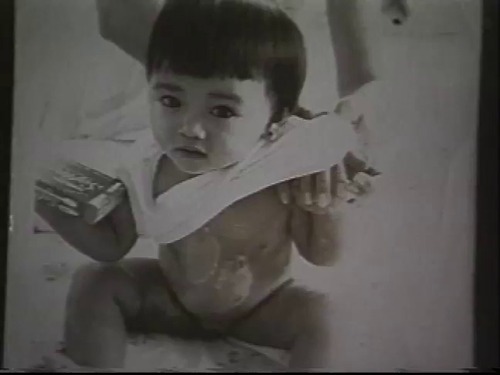
I Was a Lesbian Child [Desireena Almoradie]
In this segment of I Was a Lesbian Child, Desireena Almoradie shares photographs from her childhood in the Philippines and stories of her life while growing up there. -
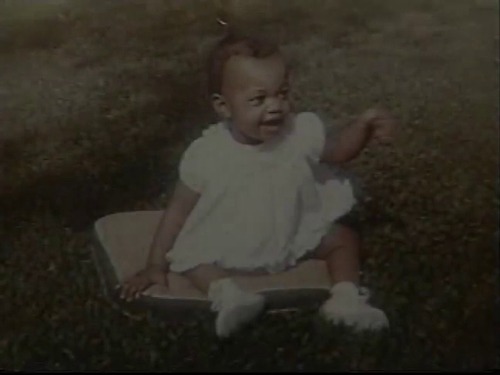
I Was a Lesbian Child [Jocelyn Taylor]
In this segment of I Was a Lesbian Child, Jocelyn Taylor shares photographs from her childhood and stories of her life while growing up. She shares a memory from when she attended Duke Ellington School of the Arts in Washington DC. -
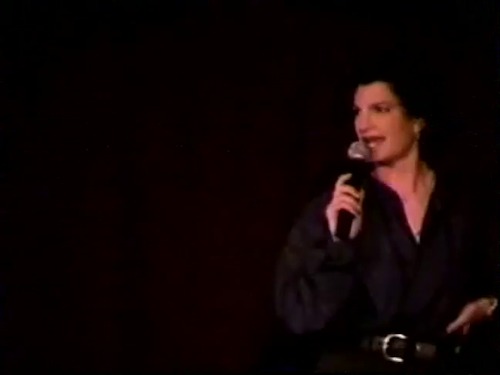
Georgia Ragsdale Interview
This video features comedian Georgia Ragsdale. The video includes clips from an interview and stand up footage from one of Ragsdale’s performances. She discusses the way she approaches her work and being out as a comedian. Ragsdale explains that for her, “Being out as a comic isn't a choice, because as a stand up comedian all you have is your worldview, your perspective on life and your life and the people around you, so I don’t see how you have a choice to be in or out if you're a stand up comedian.” She also reminisces about her first hour long show when circumstances forced her to come up with enough material in a very short period of time.
-
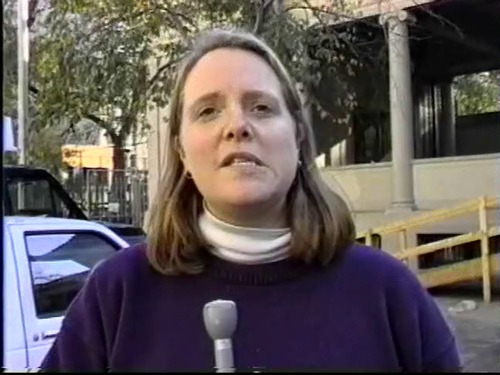
Discrimination at Clark's Corner Restaurant
A woman reports about discrimination and threats she and her girlfriend faced when they kissed at a restaurant in Brooklyn Heights. She talks about the “kiss in” she and the Lesbian Avengers were having restaurant in protest. She also talks about plans to file a police report and take legal action if possible. -
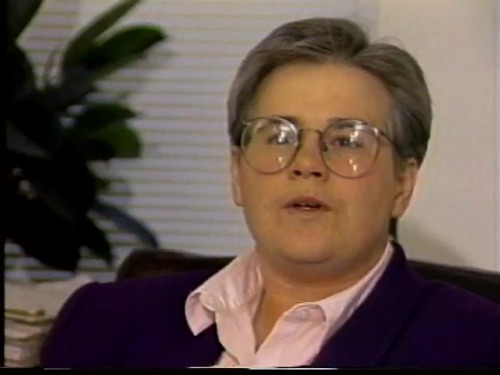
Dyke TV Episode
This video serves as a valuable resource to understand what a full episode of Dyke TV would have looked like when it aired. In addition to a segment titled, “From the Archives,” which spotlights the experience of lesbians in Harlem, and further illustrates the community presence outside of the well documented activism surrounding Stonewall. Next was an “Arts” segment, in which filmmaker Su Friedrich discusses her background and experience making films. Finally, there are two segments of “I was a Lesbian Child,” a segment which is represented in clips on this site. These segments aimed to normalize the lesbian experience; interviewees discuss their childhoods and showcase childhood photos. The video closes with credits, contact information, and a Public Service Announcement about street harassment.Tags Anna Maria Simo, Archives, Art, Children, Humor, Linda Chapman, Mary Patierno, Media, Su Friedrich -

Gay Pride Parade New York City, 1993 (Part 1)
This clip shows archival footage of the New York City Gay Pride Parade on June 27, 1993. This particular parade represented the 25th anniversary of the Stonewall Riots. It was also taking place at an apex for the movement against Don’t Ask Don’t Tell, banning out gay people from military service. Participating groups include the Lesbian and Gay Big Apple Corps, the Lesbian Avengers, the Women's Action Coalition, the Gay Veterans Association, and the Lesbian Herstory Archives. Also seen marching is politician Ruth Messinger and comedian/performer Lea DeLaria. -
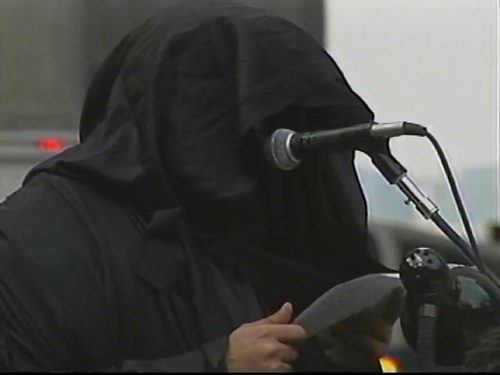
Report from World AIDS Day 1995
A Dyke TV report on World AIDS Day from New York City Hall. The event is a commemoration and demonstration memorializing New Yorkers who have died of AIDS, and a protest against budget cuts that will impact AIDS education, prevention, and services. It includes footage of people reading the names of the deceased, with City Hall chosen as a location to send a message to Mayor Rudolph Giuliani for his lack of response to the AIDS crisis. The report includes footage from a Housing Works Theater Project, "In Limbo", and interviews with participants including health care workers, an AIDS educator, and a harm reduction advocate and recipient of assistance at risk of being cut. Excerpts from the Dyke TV series "Risk, Lesbians, and AIDS" is also shown, including interviews with lesbian women living with AIDS and health care workers, and an excerpt from "Voices From the Front" about the People With AIDS Health Group and Act Up protests against the United States Food and Drug Administration and the National Institutes of Health. -

Dyke Marches, 1993-2001
This video is a compilation of edited footage of Dyke Marches from 1993-2001: the 1993 Dyke March in Washington D.C.; the 1993 Dyke March in New York City; the 1994 Dyke March in New York City; the 1995 Dyke March in New York City; the 1999 Dyke March in New York City; the 2000 Dyke March in New York City; and the 2001 Dyke March in New York City. The video includes interviews with lesbians and individuals who are participating in the Dyke March and studio interviews with Kelly Cogswell, Maxine Wolfe, and Marlene Colburn. Lesbians participating in the march express their need for visibility, civil rights, and liberation on all fronts. -
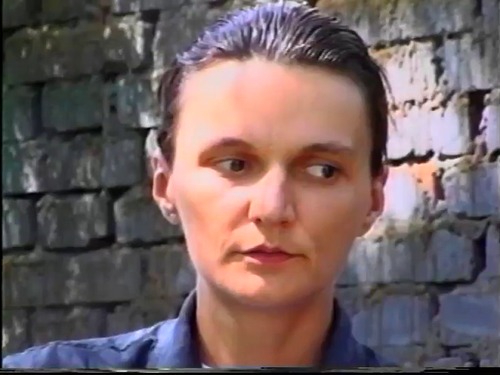
Being a Lesbian Woman in Yugoslavia
This is an interview with Jelena Topalović* about being a queer woman in Yugoslavia during the Yugoslav Wars. She discusses nationalism of the Serbian government, women’s rights, and social attitudes toward homosexuality. Topalović discusses the role of women in Serbian society- that of the mother and the nurturer, and how being a lesbian places people outside that paradigm. She also discusses the government campaign to ban abortion, explaining that this makes lesbian women 'useless' members of society because they do not fit into a nationalistic image that a woman's purpose is to bear children to increase the Serbian population. While she notes there were no specific bans in place against lesbians, the government could still make life very difficult for them. She then discusses Arkadia, Serbia’s first Lesbian Lobby, in which she provides a space for women to gather and discuss issues that affect them, and how to fight misconceptions about lesbianism propagated by the government, and social stigmas against lesbians and single women.
*Name changed for privacy
-
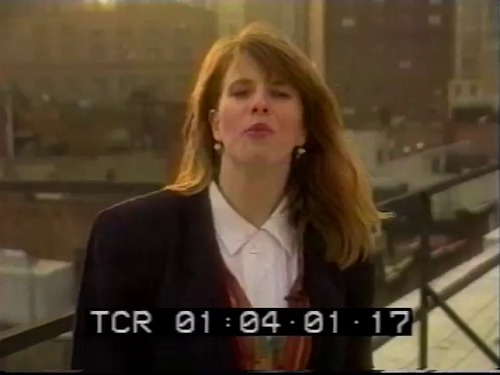
Maria Maggenti Interview
This segment shows a short interview with filmmaker Maria Maggenti about her 1995 film The Incredibly True Adventures of Two Girls in Love. Maggenti first developed the script of the film as a project for NYU’s Graduate Film Program, but abandoned it after several years of trying to work through much darker themes. She explains that, while the film deals with highly politicized topics like coming out, and interracial relationships, the film’s tone remains light and comedic. In this segment, Maggenti describes the making of the film, which included a crew that was entirely women, none of whom were paid; rather, she explains the film provided women the opportunity to expand their careers in the industry. The film was released on June 16th, 1995, and distributed by New Line Cinema. It also participated in several film festivals in 1995, including Sundance.
-
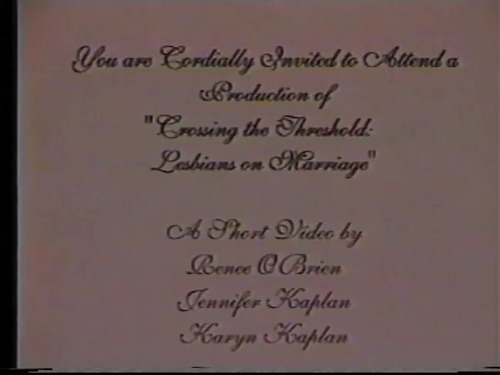
Crossing the Threshold: Lesbians on Marriage
This segment shows interviews with several members of the lesbian community, including a lesbian couple, a lesbian lawyer, and a mother of a lesbian, discussing the possibility of gay marriage. Themes discussed include the ways that legal marriage can or can not legitimize gay relationships; the presence or absence of gay people’s desire to get married; legal protections that marriage can provide; whether or not it would encourage parents to accept gay children; alternatives to gay marriage including domestic partnerships and second parent adoptions; and imaginings of what a lesbian wedding ceremony would look like. Also mentioned around 1:30 is the mass wedding of gay couples that took place as a demonstration on the lawn of the Lincoln Memorial on April 25,1993. This event was part of the March on Washington for Lesbian, Gay and Bi Equal Rights and Liberation.
Tags Marriage -

CDC Hearing [Linda Meredith address]
Presentation at the final CDC hearing by Linda Meredith, followed by physicians, about the definition of AIDS activists, especially the inclusion of lesbians, difference from advocates, and inaccurate characterizations. -

Defining a National AIDS Policy Panel
NIH-moderated panel about defining a national AIDS policy, research health services, and prevention in four talks from Maxine Wolfe (ACT UP), Dr. Wanda Jones (CDC), Corola Marta (Yale physician), and community activist Michelle Lopez. -

FDA Accelerated Approval Meeting
Meeting between ACT UP and other HIV/AIDS activists and employees of the Federal Drug Administration regarding recent FDA activities in accelerated approval and expanded access to drugs. -

ACT UP Organizing Meeting
Women in an ACT UP organizing meeting strategize how to recruit activists to grow their community and perform inclusive outreach to support different needs, specifically with connecting healthcare professionals with subjects. -

ACTG Meetings with Sten Vermund (Tape 2)
Meeting between ACTG [AIDS Clinical Trials Group] and Sten Vermund discussing Women with HIV/AIDS and the clinical trials and drug testing, as well as treatment options and the future of their work. -

ACT UP and NIAID Meeting About Natural History Study of Women With HIV (Tape 3)
Meeting between NIAID employee Diane Hartnell and ACT UP, Women with HIV/AIDS, and AIDS activists in Bethesda, Maryland about AIDS research. Side B includes discussions about first women's natural history study with other NIAID employees.Tags AIDS, AIDS Clinical Trials Group (ACTG), Clinical trials, Communities, Consciousness raising, Diane Hartnell, Drugs, Education, Epidemiology, Health care, Illness, Marina Alvarez, Mary Lucy, Maxine Wolfe, Meetings, National Institute of Allergy and Infectious Diseases (NIAID), Seh Welch, Social work, Women's health -

ACT UP and NIAID Meeting About Natural History Study of Women with HIV (Tape 2)
Meeting between NIAID employee Diane Hartnell and ACT UP, Women with HIV/AIDS, and AIDS activists in Bethesda, Maryland regarding research, including the ACTG, women's natural history, sexual health, pregnancy, and questionnaires.Tags AIDS, AIDS Clinical Trials Group (ACTG), Clinical trials, Communities, Consciousness raising, Drugs, Education, Epidemiology, Health care, Illness, Marina Alvarez, Mary Lucy, Maxine Wolfe, Meetings, National Institute of Allergy and Infectious Diseases (NIAID), Seh Welch, Social work, Women's health -

ACT UP and NIAI Meeting About Natural History Study of Women with HIV (Tape 1)
Meeting between NIAID employee Diane Hartnell and ACT UP, Women with HIV/AIDS, and AIDS activists in Bethesda, Maryland regarding the inclusion and diversity of women in AIDS studies, sexual health, ACTG, and pediatric care.Tags AIDS, AIDS Clinical Trials Group (ACTG), Clinical trials, Communities, Consciousness raising, Diane Hartnell, Drugs, Education, Epidemiology, Health care, Illness, Mary Lucy, Maxine Wolfe, Meetings, National Institute of Allergy and Infectious Diseases (NIAID), Seh Welch, Social work, Women's health -

ACT UP and NIAID Meeting on Women and HIV/AIDS
Director of NIAID, Tony Fauci, listens to a presentation by ACT UP activists from New York and Washington, D.C. about the neglect of research for women's health issues in contrast to men's, plus statistics about women with AIDS. -

ACT UP and CDC Meeting About Changing the Definition of AIDS (Tape 2)
Meeting at the CDC in Atlanta, Georgia between representatives of ACT UP and CDC Officials about changing the Centers for Disease Control's definition of AIDS to include infections that women and injection drug users were getting. -

ACT UP and CDC Meeting About Changing the Definition of AIDS (Tape 1)
Meeting at the CDC in Atlanta, Georgia between representatives of ACT UP and CDC Officials about changing the Centers for Disease Control's definition of AIDS to include infections that women and injection drug users were getting. -

Outlooks, March 26, 1989 [New York City's response to AIDS]
GLIB (Gay and Lesbian Independent Broadcasters): Radio program "Outlooks" hosts a roundtable discussion with ACT UP members to discuss NYC's Response to AIDS, from policies to public opinion. -

AIDS Clinical Trials Group, 1992
Women from ACT UP LA and some gay men who worked with them, attending the AIDS Clinical Trials Groups Meetings in Washington, D.C. -

Target City Hall [D.I.V.A. Footage], 1989
Handheld video recording of the ACT UP action "Target City Hall" on March 28, 1989. -

Target City Hall, 1989
Produced by DIVA TV, this video focuses on the ACT UP action known as Target City Hall when activists demonstrated against access to AIDS drugs and Mayor Ed Koch's response to the crisis at the New York City Hall. -

Gay Men's Health Crisis [Living with AIDS],
Episode of Gay Men's Health Crisis (GMHC) cable show Living with AIDS, covering topics related to women with AIDS. -

Reading from 13th Moon Series, 1982
Side A : A poetry reading from Audre Lorde
-

Marion Zimmer Bradley Interview, October 17, 1988
Marion Zimmer Bradley talks about her experience growing up, her marriage and children, being a woman writer in science fiction, writing for The Ladder, and discrimination in publishing. She also touches upon her struggles as a lesbian mother. -

Shirley Willer Interview, July 11, 1987
Shirley Willer talks about becoming aware of her true sexuality, being a lesbian nurse, the DOB, her view on motherhood, and her experience as an activist. On tape 2, she discusses her National Presidency of DOB, the break up of DOB in 1970 and the end of the Ladder in 1972. She also touches on the 1968 convention and her relationship with Marion. -

Pat Walker Interview, October 18, 1988
Pat Walker talks about her mother's reaction to her sexuality, her first girlfriend, living with blindness, and her experiences with the DOB and its members. -

Slide Titles for GWA
This is a collection of video clips, photos, and opening/closing credits for a Daughters of Bilities documentary sponsored by the Lesbian Herstory Archives. -

An Evening with Del Martin and Phyllis Lyon
Del Martin and Phyllis Lyon speak at a program for a lesbian movement exhibit. They give an overview of the beginning of the lesbian movement and the DOB's history, including public protests and conventions. They speak about a need for lesbians to be recognized more and to be more visible in the media. Unrelated video clips start after 01:30:42. -

GWA Rough Cut and Crawl Titles
Del Martin, Phyllis Lyon, Billye Talmadge, Nikki Nichols, and Barbara Gittings speak about their experiences with the Daughters of Bilitis organization. -

Daughters of Bilitis Interview cuts
Del Martin, Phyllis Lyon, Billye Talmadge, Nikki Nichols, Barbara Gittings, and Shirley Willer speak about their experiences with the Daughters of Bilitis organization. -

Memorial Service for Diane Cleaver (Part 2)
Friends and family gather at the funeral of Diane Cleaver to share stories, reminisce, and pay homage to her. -
Shirley Willer, Tape 2 of 4, Side A, July 11, 1987
This is a recording of Shirley Willer talking about her life. She talks about her experience with men, her experience as being labeled a lesbian, coming out to family and friends, how she discovered the existence of homosexual organizations through ONE Magazine, discrimination, the DOB, her initial expectations when first joining the organization, becoming chapter president, duties and achievements as president, conflicts surrounding the DOB, her decision to step down as chapter president, and the dissolution of DOB.
Marion Glass is recorded as well. She talks about her relationship with women, joining the Mattachine Society, and about DOB’s activist approach.
-
Casse Live at Sagaris, Tape 1 of 1, September 15, 1981
This sound recording captures a live music performance. The audience sings and claps along to several traditional American folk songs including "Down in the Valley to Pray". -
To Morgan Gwenwald With Love Stella Rush November 27, 1988 Side B
Stella Rush records a live standup performance of a western comedian. She is continuing her “letter” to Morgan at home. She talks of various things: cartoons, her cat, her grandmother Elizabeth “Lizzie” Dietrich, how she was named Stella, wonders what may happen to the recording, her personalities John and Elizabeth, her parents, Del and Phil, and offers words of advice. Throughout the recording she coughs due to asthma. The recording is suddenly cut off at the end. -
To Morgan Gwenwald With Love Stella Rush November 27, 1988 Side A
A woman named Stella Rush records a tape for Morgan while she’s driving. She discusses her life, recent personal events, her hopes for the future, and her current worries. She talks about Sandy in the hospital, her personalities John and Keith, sings a song (“The Gambler”), and mentions sleeping difficulty. She continues to talk about cancer groups, AA and ALA meetings, and imaginary scenarios. The recording is suddenly cut off at the end. -
Ti Grace Atkinson, Tape 10 of 10, Side B
This sound recording captures workshop discussions led by Ti Grace Atkinson at the Daughters of Bilitis office. -
Ti Grace Atkinson, Tape 10 of 10, Side A
This sound recording captures workshop discussions led by Ti Grace Atkinson at the Daughters of Bilitis office. -
Ti Grace Atkinson, Tape 9 of 10, Side B
This sound recording captures workshop discussions led by Ti Grace Atkinson at the Daughters of Bilitis office. -
Ti Grace Atkinson, Tape 9 of 10, Side A
This sound recording captures workshop discussions led by Ti Grace Atkinson at the Daughters of Bilitis office. -
Ti Grace Atkinson, Tape 8 of 10, Side B
This sound recording captures workshop discussions led by Ti Grace Atkinson at the Daughters of Bilitis office. -
Ti Grace Atkinson, Tape 8 of 10, Side A
This sound recording captures workshop discussions led by Ti Grace Atkinson at the Daughters of Bilitis office. -
Ti Grace Atkinson, Tape 7 of 10, Side B
This sound recording captures workshop discussions led by Ti Grace Atkinson at the Daughters of Bilitis office. -
Ti Grace Atkinson, Tape 7 of 10, Side A
This sound recording captures workshop discussions led by Ti Grace Atkinson at the Daughters of Bilitis office. -
Ti Grace Atkinson, Tape 6 of 10, Side B
This sound recording captures workshop discussions led by Ti Grace Atkinson at the Daughters of Bilitis office. -
Ti Grace Atkinson, Tape 6 of 10, Side A
This sound recording captures workshop discussions led by Ti Grace Atkinson at the Daughters of Bilitis office.Tags Ti Grace Atkinson -
Ti Grace Atkinson, Tape 5 of 10, Side B
This sound recording captures workshop discussions led by Ti Grace Atkinson at the Daughters of Bilitis office. -
Ti Grace Atkinson, Tape 5 of 10, Side A
This sound recording captures workshop discussions led by Ti Grace Atkinson at the Daughters of Bilitis office. -
Ti Grace Atkinson, Tape 4 of 10, Side B
This sound recording captures workshop discussions led by Ti Grace Atkinson at the Daughters of Bilitis office. -
Ti Grace Atkinson, Tape 4 of 10, Side A
This sound recording captures workshop discussions led by Ti Grace Atkinson at the Daughters of Bilitis office. -
Ti Grace Atkinson, Tape 3 of 10, Side B
This sound recording captures workshop discussions led by Ti Grace Atkinson at the Daughters of Bilitis office. -
Ti Grace Atkinson, Tape 3 of 10, Side A
This sound recording captures workshop discussions led by Ti Grace Atkinson at the Daughters of Bilitis office. [THIS FILE DUPLICATES FILE "SPW159_DOB ATKINSON #3 SIDE B_"] -
Ti Grace Atkinson, Tape 2 of 10, Side B
This sound recording captures workshop discussions led by Ti Grace Atkinson at the Daughters of Bilitis office. -
Ti Grace Atkinson, Tape 2 of 10, Side A
This sound recording captures workshop discussions led by Ti Grace Atkinson at the Daughters of Bilitis office. -
Ti Grace Atkinson, Tape 1 of 10, Side B
This sound recording captures workshop discussions led by Ti Grace Atkinson at the Daughters of Bilitis office. -
Ti Grace Atkinson, Tape 1 of 10, Side A
This sound recording captures workshop discussions led by Ti Grace Atkinson at the Daughters of Bilitis office. -

Stella Rush & Helen Sandoz, May 15, 1987 (Tape 2 of 3)
Stella Rush and Helen Sandoz discuss writing and printing the Ladder, and another lesbian publication, the One. They also touch on a range of topics including obscenity laws, pornography, spirituality, the Homosexual Bill of Rights, and DOB conferences. They discuss the politics of the 1980s and compare it to that of the 1950s. Stella goes into detail about her upbringing and subsequent mental health issues. -

LHA Daughters of Bilitis Video Project: Barbara Grier, November 27, 1987 (Tape 5)
The majority of this video depicts Barbara and her partner, Donna McBride, going through photo albums and images of Barbara’s childhood, her family, and then her later years with Donna. Some topics that come up include Helen Bennett, Barbara’s relationship before Donna, and Naiad Press. The last 30 minutes or so of the video focus on Barbara as she discusses The Ladder and the various women who contributed to it and how publications helped shape social change for the gay and lesbian movement. -

Pat Turner Interview, December 31, 1987
Pat Turner describes early experiences as a lesbian growing up in the south, conflicts with her enthusiasm for religion as a young person, and her family’s reaction to her sexual orientation. She talks about the relative lack of gay social life in Tennessee, despite the existence of certain bars in Nashville. Discusses how her first letter to The Ladder became an article, and the response from readers. Describes working on The Ladder, and later experiences after the Stonewall. -

Judith Schwarz Interview, 1992
Judith Schwarz discusses how grateful she is the DOB exists, the way that societal attitudes towards lesbianism has changed since the founding of DOB, how many women were afraid to have mail mailed to them or used pseudonyms or “bar names” to hide their identity.
She discusses her first lesbian relationship, which happened shortly after she moved to San Franciso, and how this introduced her to lesbian culture, specifically survival literature. She talks about how she was at first intimidated by certain aspects of lesbian culture, like powerful butch lesbians, frequent drinking in the community, and lesbian literature.
She talks about the impact of DOB, and how there was harassment from police as well as other lesbians or women. She also talks about sharing The Ladder around her workplace in secret, and shares the story about how The Ladder was “stolen” from the DOB San Franciso offices. She says that diversity was always lacking in the DOB, and talks about some reasons why.
DOB meetings sometimes consisted of potluck dinners and Gab and Javas, sometimes taking place at Schwarz’s house. She talks about how lesbians dressed at the time.
Finally she discusses the differences between the DOB and the Lesbian Herstory Archives and how they met different needs for lesbians, and finally some of the special collections in the archive. Joan Nestle jumps in at the end to discuss radical politics and the FBI surveillance of the DOB. -

Deborah Edel, Joan Nestle & Judith Schwarz Interview
Deborah Edel, Joan Nestle, and Judith Schwarz discuss the formation of the Lesbian Herstory Archives in the 1970s. They detail how the Archives grew out of a consciousness raising group through the Gay Academic Union in 1973. They talk about the mission of the archives, to ensure that lesbian voices and culture were heard and preserved. They also talk about the growth of their collections through donations of books, papers, and photographs from the lesbian community. -

P.D. Griffin Interview, May 13, 1987
P.D. Griffin discusses her role in the Daughters of Bilitis and her relationship to the lesbian community. She also discusses her interests, which include softball and ukulele. -

Boston DOB 20th Anniversary, April 2, 1989
The Boston chapter of the Daughters of Bilitis celebrate their 20th anniversary with opening remarks by Lois Johnson. She briefly discusses the founding of the chapter in 1969 by Jan Chase before thanking committee members and individuals for their contributions to the ceremony. The video ends with the lighting and cutting of the cake. -

Astraea
Short clips of several interviews with various members of the Daughters of Bilitis about their experiences with the group and being a lesbian in the 1950s and thereafter. -

Billye Talmadge Interview, 1987
Billye Talmadge discusses her early experiences as she came to understand her own preferences and sexuality, and the support she received from her college dean, classmate, and mother. She describes her role in the Daughters of Bilitis and the responsibilities and liabilities of being an officer in the group. She elaborates on the social and political climate of the times, and how she endeavored to help people overcome their fear of harassment and discrimination through providing education and supportive counseling and resources. -

Stella Rush & Helen Sandoz, May 15, 1987 (Tape 3 of 3)
Stella Rush and Helen Sandoz are interviewed in 1987. The interview mostly concerns Stella Rush, who talks about her childhood; specifically her encounters with incest and molestation. She also talks about her experiences with police discrimination in the 1950s and 1960s in L.A. Helen and Stella both talk about being editors of the Ladder and being a part of the DOB. Stella talks about workplace harassment, and fear of loser her job. They show photographs from the 1960s, including some of their cat. The video closes with the two discussing their wedding rings.Tags Bars, Christianity, Daughters of Bilitis, Discrimination, Families, Gay liberation movement, Hate crimes, Helen Sandoz, Homosexuality, Incest, Intergenerational relationships, Interviews, Job discrimination, LGBTQ+ civil rights, Mailing lists, Mental health, Mothers, Older lesbians, Parents of lesbians and gays, Police harassment, Radical lesbians, Rape, Religion, Sexual assault, Stella Rush, The Ladder, Violence, Women -

Helen Ruvelas Interview, May 10, 1987
Helen Ruvelas discusses her involvement with the Daughters of Bilitis during the 1970’s and the strong friendships she developed with some of the women in the group. She also talks about her eventual drift away from the group and its dissolution. -

Nikki Nichols Interview, May 14, 1987
Nikki Nichols describes her coming out process, and experiences with older lesbian women as a teenager. Discusses changing views on butch/fem issue. Laments the lack of lesbian groups in Sacramento, as well as describing issues with and fears of gay bars. Talks about how the discovery of DOB saved her life – socially and otherwise. Describes first DOB convention in 1960. Discusses her research into Native American attitudes towards homosexuality, as well as Native American rights movement.
On tape 2, she talks about The Ladder and its role in lesbian history, and gives her thoughts about which leaders loomed large in the DOB. She brings up the Act or Teach “controversy” of the early 60s. She mentions problems with drug culture in San Francisco during the 60s. She also talks about her enthusiasm for active protest/picketing, and the difficulties of getting gay activists and rallies in California outside of San Francisco. -

Rose Jordan Interview, May 23, 1993
Rose Jordan discusses her involvement with women’s political organizations, including the New York chapter of of the Daughters of Bilitis, and feminist groups along with the schism that existed between 2 generations of lesbian women.
Accompanied by an abridged version highlighting Rose Jordan's discussion of political organizations and feminist groups. -

LHA Daughters of Bilitis Video Project: Barbara Grier, November 27, 1987 (Tape 7)
This video consists of a brief interview with Grier’s partner, Donna McBride, and then follows a discussion Grier leads on her book collection, favorite authors, and publishing experience. She and McBride talk about Naiad press and its successes over the years and the video shows their office workspace and the multitude of submissions they receive for publication. Donna McBride’s segment focuses on her awareness of being a lesbian, the aftermath of telling her parents, and her later involvement with women’s activist groups. -

Arcus Flynn Interview, November 1, 1987
Arcus Flynn discusses her early life and her struggle with isolation and depression, her eventual discovery of the Daughters of Bilitis meetings and the community and friendships she found there. Arcus talks about the early importance of roles assumed by lesbians in the community (butch/femme), her involvement with the Women’s Rights movement, her evolution from Catholicism to born-again pagan spirituality (the Irish triad: truth, knowledge, and nature), and her discovery of herbology and natural healing. -

Lois Beeby Interview, May 9, 1987
Lois Beeby discusses her early experiences and confusion as to recognizing she was a lesbian. She speaks about her role as a member and officer in the Daughters of Bilitis, and the eventual unrest and split in the group, leading to her leaving DOB. She speaks of unrest between gay men and lesbians and the desire for the two to join together as a united front. -

Amazon Autumn Event, 1986
Footage of an event held in 1986. Both Deborah Edel and Judith Schwarz are featured sitting at a table for the Lesbian Herstory Archives and are handing out information about lesbian herstory in general and the archives more specifically. Joan Nestle and Mabel Hampton are also featured. -

Karen Anderson Ryer Interview, 1987
Karen Anderson Ryer discusses her coming out process, and the acceptance of her parents. She talks about butch vs. fem, and changing generational attitudes. Discusses importance of feminism to lesbianism specifically, and differences from gay men’s movement. She details the split of “The Ladder” from the San Francisco chapter from DOB, and how she left to start a new magazine. Also mentions the integration of different lesbian communities – Oakland vs. San Francisco, and the impact of AIDS on the lesbian community. -

Pamela Oline Interview, [date unknown]
Pamela Oline is interviewed. She is heterosexual and talks about her path to and experience of being a member of DOB and campaigning for gay and lesbian rights. She describes her childhood growing up in England, moving to America when she was 14 and changing career from a mathematician and to a psychotherapist. Recognizing the psychological issues of the time, she decided to understand the lesbian community from the inside. She talks about DOB meetings, lesbian and feminism issues, radical and conventional activism, marriage, and GAU (Gay Academic Union) meetings, panel discussions, etc.
Accompanied by an edited collection of clips, featuring Oline talking about being a Lesbian, the DOB and its eventual fractioning, and the debate of whether the lesbian's movement should be separate from the women's movement. -

Martha Shelley Interview, June 24, 1989
Martha Shelley is interviewed in New York in 1989. She talks about being a lesbian in New York from the 1960s, the negative views of lesbians portrayed by psychologists, the bar scene, roles and her use of a pseudonym. She talks about finding DOB, the meetings and discussions that took place, and her contributions to the Ladder. She talks about Jean Powers and other members of DOB and describes the members as mixed race, working class, couples and singles. She also talks about her political activism in terms of DOB, peace, civil rights and the Stonewall Riots, including the marches she was involved in and the speeches she made. -

Linda Lopez Interview, October 22, 1988
Linda Lopez is interviewed in 1988. She talks about growing up in the South and how she fared as a lesbian living in a conservative community. She discusses the Dallas DOB and how the membership consisted of a number of women who had been married, divorced and had kids (including herself). She talks about the custody battle she had with her parents over her son and how many women faced similar battles but with their spouses. She also talks about how she and a number of women lost their jobs when it was discovered that they were lesbians. She discusses the Dallas DOB's events.
On tape 2, she talks about the impact of the Dallas DOB in Dallas and beyond, how it inspired activism and other organizations. She talks about Rob [Shivers]' leadership and its role in DOB's strength. She discusses Dallas and the South in General - how lesbians were treated and how they lived. She talks about the need for job security, the roles and expectations of women. -

Kay O'Hara and Gerrie Morrison Interview, October 20, 1988
Kay O'Hara and Gerrie Morrison are interviewed in 1988. They both talk about their family lives, when they realized they were lesbians, coming out, their relationship, and previous relationships. Kay mentions her engagement and marriage before she accepted she was a lesbian. They talk about the San Francisco DOB from the 1950s and the meeting's events that were held, as well as butch and femme roles. They talk about literature that was available, including the Ladder and the contributions they made to its design and distribution. On tape 2, they comment on a series of slides and photographs of members of DOB. -
Sanders, Side A, October 24, 1976
This tape contains an interview with Helen Sanders in her home. -
To Morgan Gwenwald from Stella Rush, November 2, Side B
Stella talks about a tape that she created on June 19th of 1987 (Side A) and is grateful for a reunion she recently had with her friends. -
To Morgan Gwenwald from Stella Rush June 19, 1987, Side A
Stella Rush records her thoughts while on a road trip and talks about a car accident she had in the past and what it was like to travel through Central City, L.A. -
Sanders, Side B, November 24, 1976
An interview with Helen Sanders in her home. It includes audio from side A. -

Ruth Simpson and Ellen Povill Interview, October 8, 1989
Ruth Simpson and Ellen Povill are interviewed in Woodstock, New York. Ruth talks about her past experience dating men and falling in love. She discusses coming out and realizing her sexual orientation when she was doing theater in college. On tape 2, she and Ellen Povill talk about various movements, including civil rights, feminism and gay and lesbian rights. They describe the day a group of feminists were arrested at a demonstration and the police brutality they experienced and later on, examples of FBI interception. Ruth discusses DOB and her leadership of the New York chapter and Ellen talks about her activities on the action committee. -

Renee Shapiro Interview, April 1, 1989
Renee Shapiro is interviewed April 1, 1989. She discusses joining the Daughters of Bilitis and the various group activities they did. Renee talks about her hands on experience with putting together plays and different group events. -

Marilyn Lamkay Interview, April 8, 1987
Marliyn Lamkay is interviewed in New York City in 1987 (it seems to continue from a previous video and is perhaps continued in another video). She talks about being a lesbian in New York and coming out to her family and professionally, her relationships and religious beliefs. She discusses lesbian roles and how she didn't fit into any of the existing roles, even in the DOB community. She discusses community building and CR groups when she was younger and how she went on to hold workshops about resources for gay and lesbian New Yorkers at Bronx Community College. She mentions New YorkDOB meetings and the influence that DOB had in the creation of subsequent lesbian groups and communities. -

Julie Lee Interview, 1989
Julie Lee and her partner [Ginny] are interviewed in 1989. They discuss relationships, lesbian communities, activism and the civil rights movement. Julie talks about her role as secretary of the New York chapter of DOB and her roles in United Sisters, ACLU, etc. They both talk about police harassment and how 'out' lesbians lost their jobs. Julie also mentions her pseudonym. -

Jean Ko Stewart Interview, April 11, 1989
Jean Ko Stewart is interviewed in Boston in 1989. She discusses her early relationships with women and coming out. She speaks about her role as the Vice President of the Boston chapter, which involved organizing dances and concerts and a focus on providing a community space for lesbians. She compares the political and social climate of California and Boston, and considers Boston’s racial climate at the time. Jean explains that she moved to California because she heard that women wore slacks to work, which was considered unacceptable in Boston in the 1960s.
Accompanied by an abridged version where Jean Ko Stewart speaks about meeting with the Daughters of Bilitis community. -

Barbara Sang Interview, April 22, 1989
Barbara Sang is interveiwed in 1989. She talks about how she went through psychotherapy and attempted to live as a heterosexual woman. She discusses her role in the New York chapter of DOB as the Education Chair and the programs and events she organized as well as finding as much information as she could about gays and lesbians. She also talks about DOB in the 1960s and the privacy it afforded its members, not insisting that they come out, which was criticized by more radical movements. -

Barbara Emmerth Interview, February 21, 1988
Barbara Emmerth is interviewed in New York City in 1988. She discusses the uniqueness of coming out on West Virginia in the 1950s where there was little stigma attached to homosexuality because there was so little understanding or awareness of it. She speaks about her relationships, moving to New York City in the 1960s and her involvement with DOB (including a brief stint as the VP of the New York chapter) and with SAGE (Services & Advocacy for Gay, Lesbian, Bisexual & Transgender Elders). -

Anne MacKay Interview, April 24, 1988
Anne MacKay is interviewed in Orient Point, New York in 1988. She discusses the early days of the DOB, lesbian conventions, coming out to her family, socializing, theatrical productions to help fund the Lesbian Herstory Archives, and relationships between lesbians. -

Alma Routsong Interview, January 20, 1990
Alma Routsong is interviewed in New York in 1990. She discusses her early experiences of being a lesbian and coming out. She explains how lesbian literature of the time informed her about DOB and influenced her to leave her husband and move to New York with her lover. Alma also discusses her writing career and use of a pseudonym. In tape 2 she discusses DOB groups and events, as well as the demise of DOB. -
Honesty Ends Helplesness Side B
This tape was recorded November 14th and is a continuation of a previous recording, although the location of this previous recording is unknown. She discusses an accident and an encounter with her sponsor.