The Lesbian Show
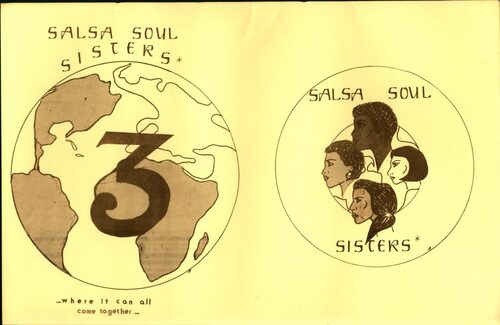
Salsa Soul Sisters, via Salsa Soul Collection, Lesbian Herstory Archives
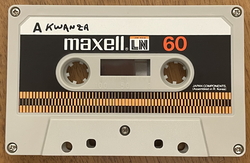
The Lesbian Show (circa 1975-1981) was one of WBAI’s most significant feminist and queer radio programs of the 1970s, produced and hosted by Donna Allegra. The program notably amplified lesbian voices–especially those of Black women and women of color–through readings, interviews, music, and live event recordings. Episodes such as Varied Voices of Black Women (October 23, 1978) spotlighted musicians and poets like Pat Parker, Linda Tillery, Mary Watkins, and Gwen Avery while a Kwanzaa episode featured the Salsa Soul Sisters, the oldest Black lesbian organization in the United States, reflecting on community principles and spiritual resilience.
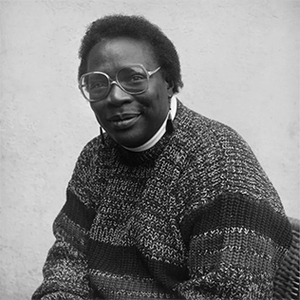
Pat Parker in 1989 by Robert Giard
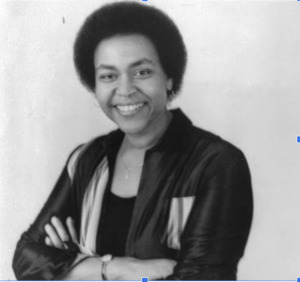
Linda Tillery
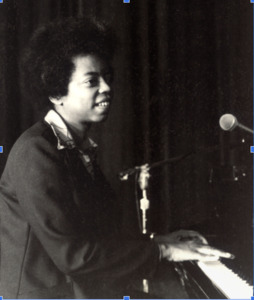
Mary Watkins
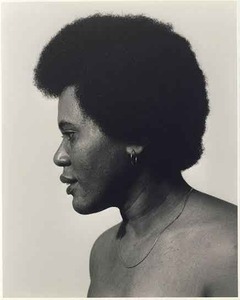
Gwen Avery
A landmark broadcast of The Lesbian Show aired on July 15, 1980, featuring readings from the Second Annual Third World Lesbian Writers Conference, sponsored by the Azalea Collective and Salsa Soul. The episode opened with Audre Lorde’s poem “Need” and included performances by Imani, Joan Gibbs, Anita Cornwell, Isis, Arisa Reed, Candice Boyce, Chirlane McCray, and Jabu reading Ntozake Shange. Through its commitment to intersectional feminism before the term was common, The Lesbian Show helped build an archive of voices that helped reshape American feminist and queer cultural history. Allegra’s program captured the revolutionary energy of a generation of Black and Third World lesbians asserting authorship and community on their own terms.
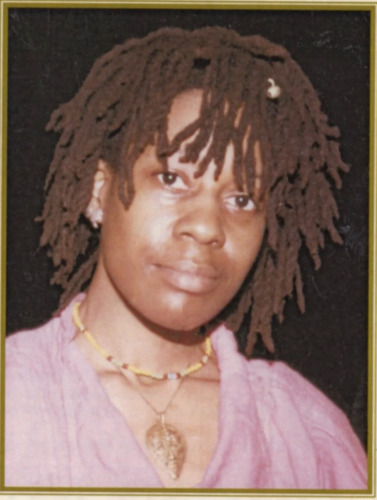
Donna Allegra, via Cassandra Grant Collection
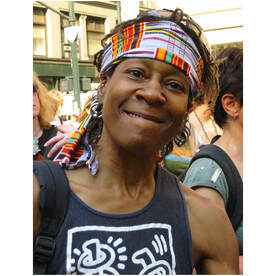
Donna Allegra, via Saskia Scheffer/Lesbian Herstory Archives
Donna Allegra:
Donna Allegra (Simms) (1953-2020) was a Black lesbian multifaceted creator. A writer, poet, dancer, electrician, radio producer, and activist, her early life in Brooklyn shaped her identity and activism. Reading lesbian pulp fiction as a girl led her into feminist, lesbian, and working-class literatures and she studied dramatic literature, theatre history and film at Bennington and Hunter Colleges, earning a B.A. at New York University in 1977. Allegra’s radio work at WBAI is a key part of her legacy. While at WBAI (~1975–1981) she hosted and produced both The Lesbian Show and The Velvet Sledgehammer, two key feminist and lesbian-cultural programs. Her episodes foregrounded Black lesbian voices, feminist media critique, and cultural literatures of resistance. Her papers are housed at the Schomburg Center (Sc MG 792) and provide a rich resource for LGBTQ+, Black, feminist, radio and working-class culture research.
Kwanzaa

The Varied Voices of Black Women