
Everywomanspace

Irene Yarrow in the studio (New York: WBAI Folio August 1977)
Everywomanspace was a WBAI radio program that included varied segments. The program was hosted by Irene Yarrow, with occasional guest hosts. The broadcast usually began with this declaration of purpose:
“This is a program by, for, and about women. All kinds of women. Lesbian, bisexual, heterosexual, and celibate. Well-known and not known. Of different ethnic and racial groups. Of all classes, and all ages. This is a place for us to come together, to talk, to explore ourselves and our culture, and to grow. And this is a program where one of the most important things is communication: between me and my guests on the show, and between us and you the listeners out there.”
Yarrow was dedicated to holding space for women during a time when women did not always have places of their own. One way she honored this commitment was refusing to take calls from men when she opened up the phone lines for questions or feedback - she felt that even if the men were feminist allies, taking their calls detracted from her mission of providing a space that was exclusively for women.
Another program that was featured on Everywomanspace was Women’s Legal Clinic, hosted by lawyers Betty Levinson and Judith Levin, who would discuss topical legal cases and issues. During an interview in 2024, Levinson and Levin reflected on calls and letters they received from women expressing that Women’s Legal Clinic made them feel seen, heard, and less alone. In effect, Women's Legal Clinic–like other women's radio shows during the time–built a community of listeners and gained their trust through efforts to educate, organize, and support women.
Other Everywomanspace episodes featured conversations with various writers and artists, including:
Jan Clausen, poet and author, who discussed autobiographical writing, incorporating politics into personal work, and the role of women’s presses in publishing. She read her short story The Warsaw Ghetto and poems including The Christmas Letter and This is a Poem for You, Mary.
Marge Piercy, who spoke about her novel Woman on the Edge of Time and read her poems To Be of Use and Living in the Open.
Marilyn Coffey, who read from her poetry and her coming-of-age novel Marcella, while reflecting on her shift between poetry, prose, and nonfiction, and on how feminism transformed both her writing and its reception.
Another notable broadcast featured a panel of six Black women writers recorded at the National Alliance of Black Feminists conference in Chicago (1975). Participants, including Darlene Hayes, Margaret Walker Alexander, Mari Evans, and Carolyn Marie Rodgers, critiqued media portrayals of Black women and shared their experiences confronting racism and sexism in the literary world.
Themes and Issues:
Everywomanspace also regularly explored urgent issues/topics surrounding women’s lives, including:
Sexual violence: At least one episode features a discussion of rape culture, exposing the systemic belief that women’s bodies exist for male use, the high rate of unreported assaults, and the lack of accountability for perpetrators, and emphasizing how male bonding often reinforced women’s oppression, even across racial lines.
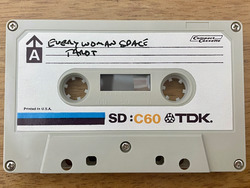
Spirituality and tarot: Another episode/guest explains tarot as a feminist and anti-patriarchal practice, rooted in women’s traditions, and discusses her feminist readings and her mother’s influence as a practicing witch.
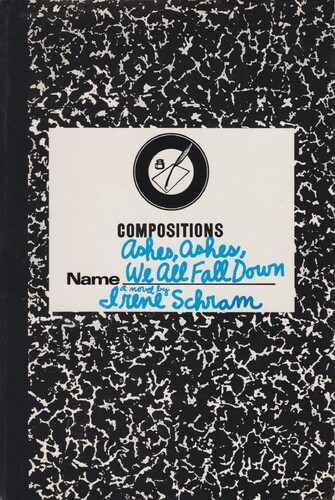
Ashes, Ashes, We all Fall Down by Irene Schram/Yarrow
Irene Yarrow:
Irene Yarrow, the longtime host of Everywomanspace on WBAI, was also a writer, poet, and activist. She likely attended the University of Chicago in the late 1960s, where she published short stories in the student newspaper. For a time, she was married to a man and had two children, experiences she wrote about in short stories published throughout the 1970s. In her writing, Yarrow explored themes of motherhood and the development of her lesbian identity.
In addition to her radio work, Yarrow published the novel Ashes, Ashes, We All Fall Down (1972) under the name Irene Schram. Set in a dystopian future where children are confined to concentration camps, the novel offers a sharp critique of American society. Little of Yarrow’s writing appears to have been published after the 1970s.
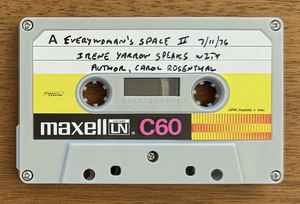
Women Authors
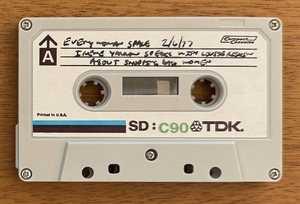
Homeless Women, Poverty
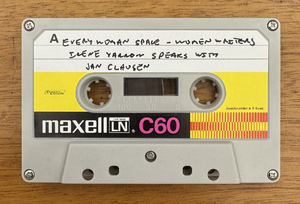
Lesbian autobiographies
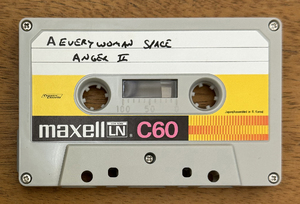
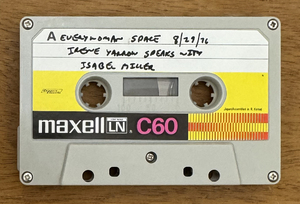
Lesbian Authors, Feminist Theory
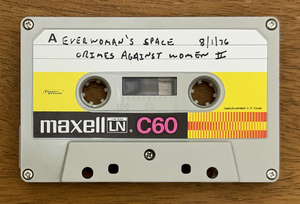
Violence Against Women, Race And Sex Discrimination, Intersectionality
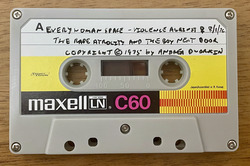
Violence Against Women, Race And Sex Discrimination, Intersectionality
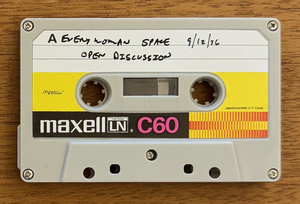
Women's Movement, Feminism
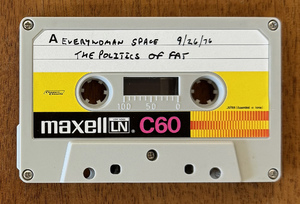
Women, Fat, Sexuality, Beauty Standards, Health
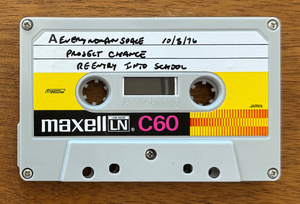
Education, Resource Programs (education), Pedagogy, Classes, Counseling, Continuing Education

Interview with Marge Piercy
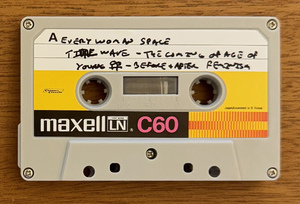
Feminism, Second-wave Feminism, Women's Rights

Black Women in the Arts

Interview with Marilyn Coffey
Feminism, Marriage, Coming Out (Sexual Orientation)