
Browse Items (5 total)
Sort by:
-
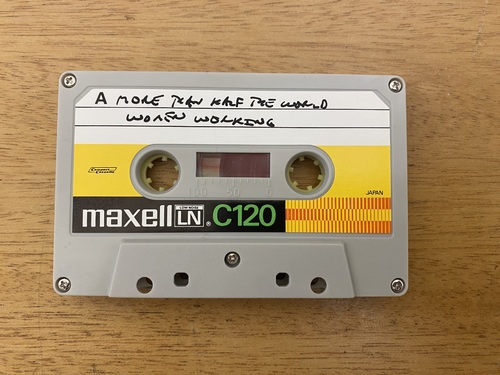
More Than Half the World - Women Working
Broadcast of More Than Half the World, noted as "More Than Half the World - Women Working" on side A and B. Judy Pasternak hosts broadcast themed around women at work. Includes excerpts from poetry, fiction, and nonfiction writing about women working. Plays music and shares updates including a fundraising plea to pay for WBAI reporters to travel to Texas for Internation Women's Day Programming. -
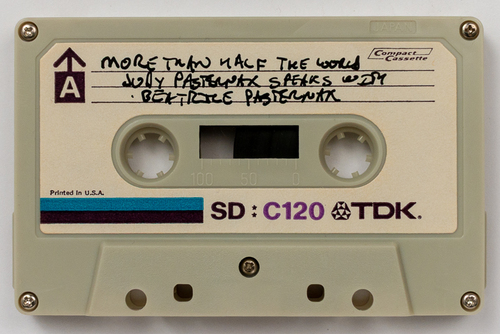
More Than Half the World - Beatrice Pasternak
Broadcast of More Than Half the World, noted as "More Than Half the World - Beatrice Pasternak" on Side A and Side B. Host Judy Pasternak interviews her mother Beatrice Pasternak, discussing the experiences of older women and ageism, and they reflect on their life experiences as women. Throughout the broadcast, Pasternak plays music and takes calls from listeners. -
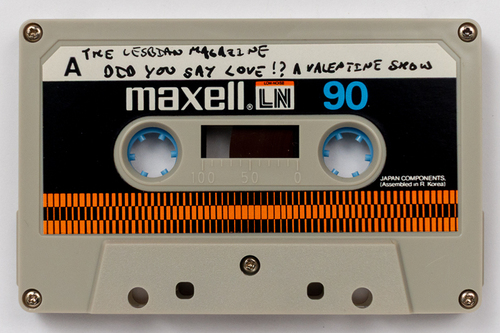
The Lesbian Magazine - Did You Say Love!? A Valentine Show
Broadcast of The Lesbian Magazine, noted as "Did You Say Love!? A Valentine's Show," on both side A and B. Valentines themed episode containing lesbian love songs, roundtable of host Judy Pasternak's friends reflecting on love in varied forms, and news updates relevant to the lesbian community. -
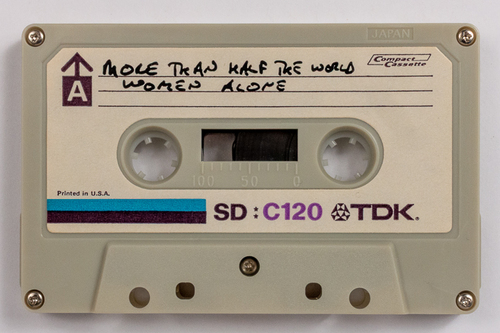
More Than Half The World - Women Alone
Broadcast of Women Alone Speak Out, noted as “Women Alone,” on both side A and side B. In this broadcast, host Judy Pasternak reflects on her experience living alone as an adult woman, in defiance of societal expectations. She plays an old set of interviews she conducted with women who also were living or had lived alone, as well as intermittent music. -
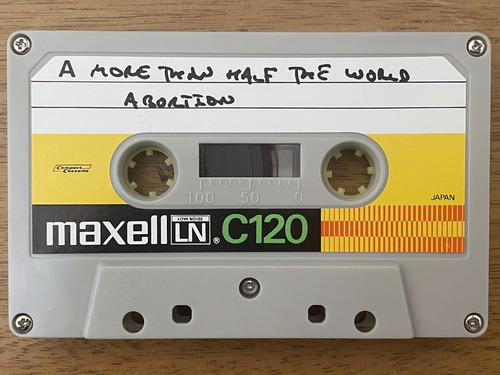
More Than Half the World - Abortion
Host, Judy Pasternak, discusses abortion and the struggle for the legal right of women to have control over their bodies. In her reflection upon the legal battle surrounding this issue, Pasternak notes that the majority of the individuals making these decisions from a federal level down to its local implementation are male identifying. In her past experience and many other of the callers, the medical infrastructure and service providers were male which they felt impacted their care and the comportment of the medical team.